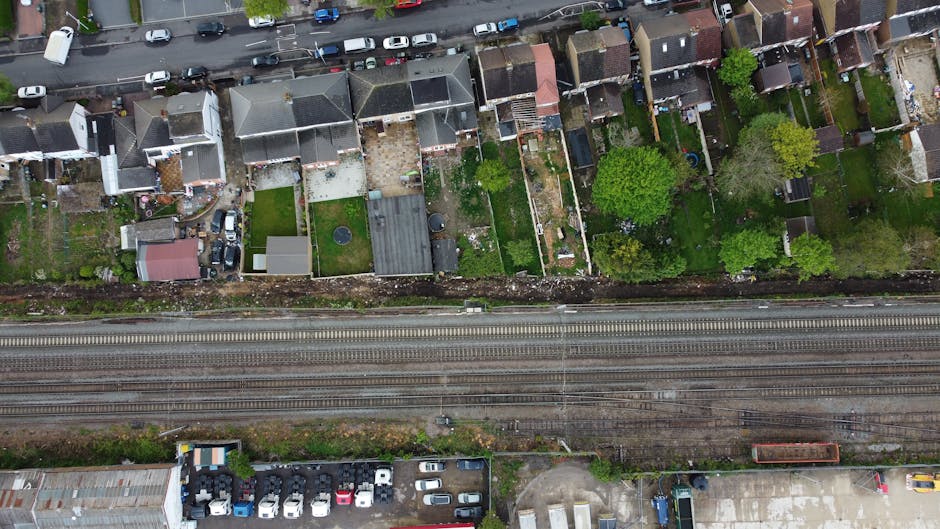
Willesden gardeners near Willesden Green station for regular care

If you live or work close to Willesden Green station, you already know how quickly a garden can slip from tidy to slightly wild. One windy week, a bit of rain, a missed mow, and suddenly the borders look tired, the hedge is leaning, and the lawn has that patchy, apologetic look. That is exactly where Willesden gardeners near Willesden Green station for regular care make life easier. Regular garden care is not just about making things look neat for visitors; it keeps outdoor spaces healthy, safer to use, and far less stressful to maintain over time.
In this guide, we will look at what regular garden care actually involves, why it matters in a busy part of northwest London, how a sensible maintenance routine works, and what to watch out for before you book. You will also find practical steps, a comparison table, a checklist, and answers to the questions people usually ask when they are trying to choose a local gardener. Nothing fancy. Just useful, grounded advice you can act on.
Why Willesden gardeners near Willesden Green station for regular care Matters
Regular garden care matters because gardens do not maintain themselves, no matter how optimistic we feel in spring. In an area like Willesden Green, outdoor spaces often need a bit more attention than people expect. Terraced homes, side returns, compact front gardens, and shared boundaries all tend to show neglect quickly. A skipped mow or an overgrown hedge stands out immediately, especially when homes sit close together and gardens are visible from the street or neighbouring windows.
There is also the simple fact that regular care is easier than rescue work. A tidy fortnightly or monthly routine usually costs less effort in the long run than waiting until everything is tangled, overgrown, and full of dead growth. Truth be told, gardens rarely need dramatic intervention; they need consistency. That consistency helps lawns stay healthier, shrubs stay shaped, and planted beds remain manageable rather than becoming a weekend-long battle.
For anyone near Willesden Green station, time is often part of the story. Commuting, family life, and busy work schedules mean garden tasks get pushed back. Then one day you look out the window and think, "Right, that got away from me." Regular local care solves that problem in a practical way. It keeps your space usable and stops minor jobs becoming major ones.
It also supports better use of the garden. A small courtyard, for example, can feel much bigger once it is cleared, pruned, and kept orderly. A slightly shaded back garden can become much more welcoming once dead leaves are removed, edges are trimmed, and the lawn is properly looked after. The difference is not always dramatic, but it is steady. And that steady improvement is what people usually want.
How Willesden gardeners near Willesden Green station for regular care Works
Regular care is usually built around a maintenance plan rather than a one-off visit. The idea is simple: a gardener comes back on an agreed schedule and handles the tasks that keep the garden in good condition. That might be weekly in the growing season, fortnightly in spring and summer, or monthly if the garden is small and relatively low maintenance. There is no single perfect rhythm. It depends on how much growth you have, how much use the garden gets, and how polished you want it to look.
In practice, a regular maintenance visit often includes mowing, edging, weeding, hedge trimming, pruning light growth, clearing leaves, checking beds, and keeping paths and patio areas presentable. Some gardens also need seasonal tasks such as planting, mulching, or cutting back perennials. If a lawn is the main feature, then lawn care tends to take priority. If hedges or borders define the space, then those may need more regular attention. Simple enough, really, but the detail matters.
A good gardener will usually start by understanding the site rather than just charging in with tools. They will look at sun exposure, drainage, access, plant health, and how the garden is actually used. A family garden with children running around has different priorities from a quiet courtyard or a rental property that needs to look respectable without constant fuss. That first look is where the sensible plan begins.
For a local property near the station, access and timing can matter too. Side access, parking, and neighbour awareness all affect how smoothly work can be done. A decent setup means less disruption and cleaner results. You want the hedge cut, not the whole pavement covered in clippings, if you know what I mean.
If you are looking for a broader overview of available services, the services overview is a helpful place to understand how different garden tasks fit together. It gives a clearer picture of what a regular care plan can cover without overcomplicating things.
Key Benefits and Practical Advantages
The biggest benefit of regular garden care is control. That sounds plain, but it is the real point. A maintained garden feels easier to live with because it is not constantly asking for attention. You do not spend every sunny Saturday trying to catch up. Instead, the space stays ready to enjoy, which is a much nicer way to live with a garden.
Here are the benefits people notice most:
- Healthier plants - regular pruning, feeding, and clearing reduce stress on shrubs, hedges, and borders.
- Better-looking lawns - mowing at the right time and keeping edges sharp creates a much neater finish.
- Less weed pressure - weeds are easier to manage when they are dealt with early.
- Safer, cleaner access - leaves, moss, and overgrowth can make paths and steps feel messy or slippery.
- More usable space - a garden is easier to sit in, play in, or simply look at when it is kept tidy.
- Lower long-term effort - regular maintenance usually prevents bigger, more expensive jobs later.
There is another advantage that often gets overlooked: peace of mind. You stop wondering whether the garden is "getting away" from you. That might sound small, but it is surprisingly freeing. A garden should not feel like a guilty little project hanging over your head.
Regular care is also useful if you are preparing a property for sale, letting, or occasional entertaining. First impressions happen fast. A clipped hedge and neat borders signal care, even before anyone has stepped through the door. And in a local setting, where properties can be very close together, that matters more than people admit.
If sustainability is part of your thinking, you can ask about greener approaches too. The recycling and sustainability page is useful for understanding how garden waste and responsible practice can be handled in a more thoughtful way. Little things add up.
Who This Is For and When It Makes Sense
Regular garden care is not only for large gardens or highly designed outdoor spaces. In fact, some of the best candidates are modest gardens that need a dependable touch rather than a dramatic makeover. If you have a small front garden, a compact rear patio, or a terraced home with a narrow strip of lawn and beds, regular care can make a huge difference.
This service makes particular sense for:
- busy households that do not have time for ongoing upkeep
- landlords who want the outside of a property kept presentable
- older homeowners who would rather avoid physically demanding jobs
- people who enjoy the garden but need help staying on top of the routine
- new homeowners learning how much work the garden actually needs
- anyone who wants the garden looking tidy all year, not just after a major clean-up
It is also sensible for gardens with recurring problems. If your lawn always thins out, if the hedge shoots up quicker than expected, or if weeds keep returning in the same places, regular attention can interrupt the cycle. A lot of garden issues are boringly repetitive. That is exactly why routine care works.
On the other hand, if your garden is truly tiny and you only need the occasional tidy, a full maintenance schedule may be more than you need. A one-off visit or seasonal refresh might be enough. To be fair, not every outdoor space needs a standing appointment. The right solution depends on the garden, not the idea of gardening in the abstract.
If you are comparing service levels, it can help to look at broader maintenance options such as garden maintenance and more focused tasks like lawn mowing or hedge trimming. That way, you can match the service to the real condition of the garden instead of guessing.
Step-by-Step Guidance
If you are arranging regular care for the first time, it helps to think in simple stages. No need to turn it into a grand project. A good maintenance routine is usually built in small, manageable steps.
- Assess the garden as it stands
Walk through the space and note the obvious issues: lawn condition, hedge height, weed pressure, bare patches, leaf build-up, and access problems. If you can only think of the garden as "messy," slow down and split it into sections. It helps. - Decide what needs regular attention
Some areas need weekly or fortnightly care, while others only need occasional pruning. For example, a lawn may need frequent mowing in spring and summer, while a shrub border might only need periodic shaping. - Set a realistic schedule
A schedule should reflect the season and the size of the garden. Overpromising is a classic mistake. If you do not really have time for weekly work, say so. A reliable monthly routine is better than a perfect plan that never happens. - Prioritise visible and safety-related tasks first
Paths, steps, entrances, and front-facing areas usually come first. Then move to lawns, beds, and hedging. This is often the neatest way to keep the whole property feeling under control. - Review the results after a few visits
After the first month or two, check whether the schedule is working. Does the grass still get too long between cuts? Are weeds returning too quickly? Adjust the routine instead of sticking with a plan that is clearly not quite right.
A small but important point: seasonal change matters. Spring growth can feel relentless, summer may bring dry patches, and autumn often means leaf clearance becomes the main task. If your maintenance plan ignores the season, it will probably feel out of step from the start.
And yes, weather can be a bit of a nuisance. One wet week and the whole rhythm changes. Gardening is never entirely on your schedule, which is one of those mildly annoying facts nobody mentions enough.
Expert Tips for Better Results
Good results usually come from a few simple habits done well. Nothing magical, just disciplined basics.
Keep pruning light and regular
Waiting too long makes pruning more stressful for the plant and more time-consuming for the gardener. Light, regular trimming usually keeps hedges and shrubs healthier and easier to shape. Overcutting in one go can leave a garden looking harsh for weeks.
Do not let the lawn dictate the whole schedule
A lawn can become the loudest voice in the garden because it shows neglect quickly. But it should not distract from everything else. Weeding, edging, and border care matter just as much. A neat lawn with messy edges still looks unfinished.
Use mulch where appropriate
Mulch helps retain moisture, suppress weeds, and improve the appearance of beds. It is one of those things that looks tidy and works hard behind the scenes. Not bad for something that just sits there, quietly doing its job.
Ask for clear visit notes
If you are paying for regular care, it helps to know what was done each visit and what needs attention next time. That way, you can see whether the service is properly tailored. A simple note about lawn condition, weed pressure, or hedge regrowth is often enough.
Match the service to the property's rhythm
A garden used by children, pets, or frequent guests will need a different approach from a quiet, low-traffic outdoor space. Near Willesden Green station, many homes also deal with a mix of front-facing presentation and back-garden privacy needs. That balance matters.
If you want to go beyond basic upkeep and improve the way your garden feels, landscape work may be worth considering. The landscape gardening and landscaping pages can help you think through larger changes without jumping straight into expensive redesigns.
One last tip: be honest about what you want. If you want a perfectly neat look, say so. If you prefer a softer, more natural style, say that too. Good gardening is not one-size-fits-all. It never has been.
Common Mistakes to Avoid
Plenty of garden care problems start with good intentions and a bit of delay. That is the honest truth. Here are the mistakes that cause the most frustration.
- Booking too infrequently - a monthly visit may be fine for some gardens, but not all. Fast-growing spaces can slip quickly.
- Ignoring the edges - lawns look half-finished when borders, paths, and fence lines are left rough.
- Letting weeds seed freely - once weeds establish and spread, the job becomes much more time-consuming.
- Cutting too hard in one visit - this can stress plants and leave the garden looking bare or uneven.
- Using the wrong timing for pruning - some shrubs and trees are better cut at certain times of year, so a careful approach matters.
- Assuming every plant wants the same treatment - they really do not. Shade plants, herbs, lawn turf, and hedging all have different needs.
A common mistake for local homeowners is also underestimating how much leaf fall and boundary growth affect a compact urban garden. Nearby trees, neighbouring hedges, and narrow plots can create ongoing little jobs that stack up fast. If you leave them too long, the tidy look disappears, and then everything feels like a catch-up exercise.
Another one? Trying to do every task yourself on one free Sunday. Ambitious, yes. Sustainable, not always. A better approach is to keep small jobs small.
Tools, Resources and Recommendations
A good gardener brings the right tools for the job, and a homeowner benefits from knowing the basics too. You do not need a shed full of equipment, but a few essentials make regular care much easier.
| Task | Useful tools or resources | Why they help |
|---|---|---|
| Lawn care | Mower, edging shears, rake | Keeps grass even and edges crisp |
| Pruning and hedge work | Hedge trimmer, secateurs, loppers | Helps control growth cleanly |
| Weeding | Hand fork, hoe, gloves | Removes weeds before they spread |
| Border maintenance | Spade, trowel, mulch | Improves planting areas and moisture retention |
| Waste handling | Green waste sacks, collection plan | Keeps the site tidy and manageable |
For larger clear-ups, it may be better to combine maintenance with a waste-focused visit. The garden clearance service can be useful where a space has become seriously overgrown, cluttered, or difficult to reset into a normal maintenance routine.
If hedges, small trees, or woody growth are becoming unmanageable, then tree-related work may also need attention. The tree lopping and removal page may be relevant where safety, light, or access is being affected. Use that kind of work carefully, though. Not every branch problem needs drastic action.
For homeowners who want a more complete package, it helps to review the broader about us information as well as pricing and process details. A bit of homework upfront saves confusion later.
Law, Compliance, Standards, or Best Practice
Garden maintenance is not usually a heavily regulated service in the way some trades are, but there are still important standards and good practices to keep in mind. This is especially relevant if work involves ladders, power tools, heavy waste, or access near neighbours and public pathways.
From a practical standpoint, a professional gardener should work safely, handle waste responsibly, and avoid creating hazards. That includes keeping walkways clear during work, using tools properly, and considering the impact of clippings or debris on neighbouring properties. If work is carried out in a shared or tight urban setting, tidiness and courtesy matter more than people sometimes think.
If you are hiring a gardener, it is reasonable to ask about insurance, safety practices, and how waste is managed. A reputable business should be able to explain how they approach these things in plain English. If the answer sounds vague, that is usually a signal to keep asking questions. No drama, just common sense.
It is also sensible to think about privacy and neighbour relations. Cutting back hedges, removing overgrowth, or changing planting can affect sightlines and boundaries. In densely built parts of London, that can become a surprisingly delicate topic. Best practice is to communicate clearly and avoid assumptions.
For more detail on working practices, the health and safety policy and insurance and safety pages outline the sort of standards people should expect from a professional service. If something matters to you, ask about it before the job begins.
Options, Methods, or Comparison Table
Not every garden needs the same level of involvement. Some spaces need frequent, light-touch maintenance. Others need less regular visits but more time on each visit. Choosing the right approach comes down to growth rate, garden size, and how tidy you want the space to stay between visits.
| Approach | Best for | Pros | Trade-offs |
|---|---|---|---|
| Weekly care | Fast-growing gardens, visible front gardens, high-use family spaces | Always looks neat, easier to stay ahead of growth | Higher ongoing commitment |
| Fortnightly care | Typical urban gardens and medium-growth spaces | Good balance of upkeep and cost | Can slip in peak growing season if delayed |
| Monthly care | Smaller or slower-growing gardens | More affordable, less intrusive | May not be enough during spring and summer |
| Seasonal tidy-ups | Low-use gardens or one-off improvement projects | Useful for reset and cleanup work | Garden may look untidy between visits |
The right option is rarely the most ambitious one. Usually, it is the one you can maintain without strain. A fortnightly schedule, for example, is often a sensible middle ground for homes near Willesden Green station, particularly where outdoor space is modest but visible.
Case Study or Real-World Example
Here is a very typical scenario. A terraced home near the station has a small back garden with a patchy lawn, a hedge at the rear, some weeds pushing through the borders, and a patio that is mostly fine but gathers leaves and grit. Nothing outrageous. Just one of those gardens that looks worse than it actually is.
The first visit focuses on resetting the space: mowing, edging, clearing weeds, cutting back the hedge lightly, and removing fallen material. The second visit comes two weeks later and is more about maintaining the improvement than making big changes. By the third visit, the garden feels easier to manage. The lawn is more even, the edges stay sharper, and the hedge no longer dominates the view from the kitchen window.
What changed? Not a big redesign. Not expensive hard landscaping. Just consistency. The homeowner stops seeing the garden as a problem and starts using it again. Tea outside in the evening, maybe a chair moved into the sun when it appears. Small thing, but it matters.
That is usually how regular care works in real life. The improvement is gradual, not theatrical. Which is fine. Better, actually.
Practical Checklist
Use this checklist before you book or begin a regular maintenance plan.
- Check whether the garden needs weekly, fortnightly, or monthly care.
- Note the main jobs: mowing, hedge trimming, weeding, pruning, leaf clearance, or border tidying.
- Decide whether you want a neat, formal finish or a softer natural look.
- Look at access, parking, and any neighbour considerations.
- Ask how waste will be removed or recycled.
- Confirm whether the gardener is comfortable with seasonal tasks as well as routine upkeep.
- Review safety and insurance information before work begins.
- Set expectations for communication, timing, and repeat visits.
- Ask for a plan that fits your garden, not a generic package.
- Reassess after the first few visits and adjust if needed.
If you want a helpful starting point for structured upkeep in the area, the NW10 garden maintenance guide for Willesden terraced homes is worth a look because it speaks to the sort of compact plots and practical maintenance issues many local households face.
Conclusion
Willesden gardeners near Willesden Green station for regular care are most valuable when you want the garden to stay manageable, attractive, and ready to use without constantly chasing it. That is the real benefit: less stress, more consistency, and a garden that feels looked after rather than rescued every few months. For many homes, especially around busy London terraces and smaller plots, regular care is simply the most sensible way to keep on top of things.
The best maintenance plan is the one that fits your space, your schedule, and your expectations. Start with the essentials, build a routine that makes sense, and adjust as the seasons change. It does not have to be perfect. It just has to work.
If you are ready to make garden upkeep simpler and more reliable, a local service can take that pressure off in a very real way. One good routine, then another, and suddenly the space feels calm again.
Get a free quote today and see how much you can save.
Frequently Asked Questions
How often should a garden near Willesden Green station be maintained?
It depends on the size of the garden and how quickly things grow. Many urban gardens do well with fortnightly care in spring and summer, then a slightly lighter schedule in quieter months. Fast-growing hedges, lawns, or heavily used family spaces may need more frequent visits.
What does regular garden care usually include?
Typical visits may include mowing, edging, weeding, hedge trimming, light pruning, clearing leaves, and general tidying. Some gardens also need seasonal planting or mulch top-ups. The exact mix should reflect the condition of the garden rather than a fixed template.
Is regular maintenance better than one-off garden jobs?
For most gardens, yes. Regular maintenance keeps growth under control and prevents bigger problems from building up. One-off work is useful for a reset, but ongoing care is usually the easier and more cost-effective way to keep a garden looking good.
Can a small garden still benefit from a maintenance plan?
Absolutely. Small gardens often show neglect very quickly because everything is close together and easy to see. A compact space can actually benefit more from regular care because tiny issues become obvious fast.
How do I know if I need garden clearance instead of maintenance?
If the garden is heavily overgrown, cluttered, or difficult to access, clearance may be needed first. Once the space is reset, regular maintenance can keep it manageable. If you are unsure, a gardener can usually tell you after a quick site visit.
Should I choose weekly, fortnightly, or monthly care?
Weekly care suits fast-growing or high-visibility gardens. Fortnightly care is often a good balance for typical London homes. Monthly care can work for slower-growing or smaller gardens, but it may be too slow during the main growing season.
What should I ask before hiring a gardener?
Ask what tasks are included, how often visits will happen, whether waste is removed, how safety is handled, and whether the schedule can adapt through the seasons. It also helps to ask for clear communication about what was done at each visit.
Do gardeners handle hedges and trees as part of routine care?
Light hedge trimming is often part of routine maintenance. Trees are different and may need more specific work depending on size, species, and condition. If a tree is becoming a problem, it may need a separate assessment rather than a quick tidy.
What happens if the weather is bad?
Garden work often depends on conditions. Heavy rain, strong wind, or very wet ground can affect what can be done safely and neatly. A sensible gardener will reschedule or adjust the work rather than force it through and leave a mess.
Are there any safety issues I should think about?
Yes. Paths, steps, tools, and waste all need to be handled carefully, especially in tight urban gardens. It is reasonable to ask about insurance, safe working practices, and how debris will be managed. A professional approach should feel calm and organised, not rushed.
Can I combine regular maintenance with landscaping changes?
Yes, and that is often the best way to do it. Regular care keeps the garden tidy while larger landscaping work improves the structure or layout. Starting with maintenance first can also show you where the biggest opportunities are.
How do I keep costs under control without letting the garden slip?
Be clear about priorities. Focus on the tasks that matter most first, then build from there. A sensible schedule is usually cheaper than repeated catch-up work. In gardening, as in life, catching things early tends to be kinder on the wallet and the nerves.